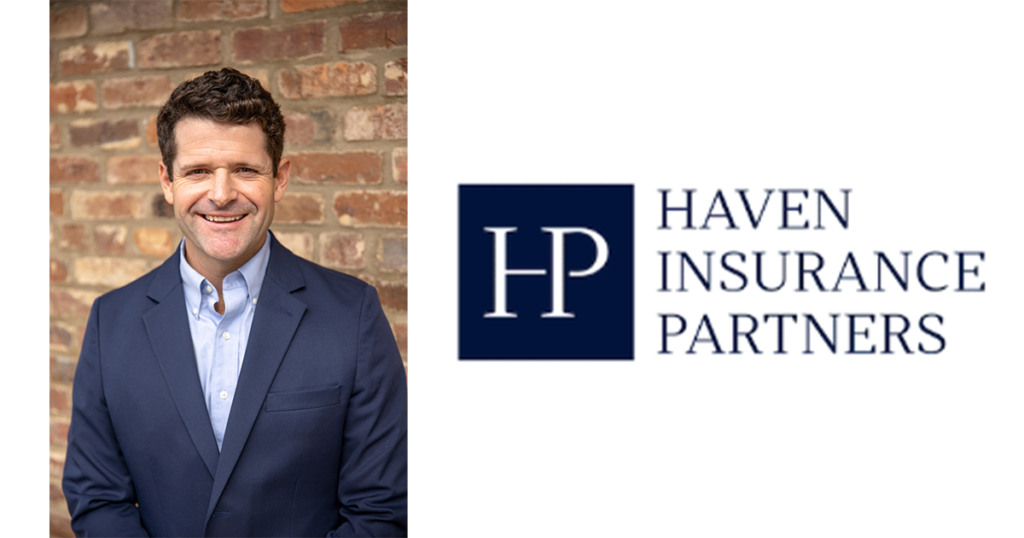
Jackson’s Caleb Meriwether, Haven Insurance Partners, visits with Dan Reaves, host of ‘The Dan Reaves Show,’ each Wednesday at 3:30 p.m., to discuss all things insurance.
Today, he takes a look at the present and future of the insurance industry.
Dear Clients and Future Clients
We wanted to provide you with a brief update on what we believe the present and future looks like in the insurance markets. The below is based on various reports, our personal experience, and what we are hearing from upstream markets.
As a general statement, rates have been rapidly rising over the past few years across almost all lines. Today, we are leveling off across many lines and even seeing decreases in some pockets. And the rate increases we are still seeing have been much lower than some of the massive hikes we experienced over the last few years.
One development we are following is the impact of AI on rates – we are seeing carriers become hyperlocal for property risks (flood, hail, local crime rates, etc.), as well as really dialing in on risks specific to individuals – driving history, claims experience, etc. More data and more analysis probably means good news for high quality insureds but could spell rate issues for those with frequent claim issues. We will see.
We attempt to break it out a bit further for you below. Might only be worth what you paid for it! But we believe it to be directionally accurate and hope you find it helpful.
Short-Term (Next 6–12 Months)
Personal Lines (Home & Auto): – Auto premiums remain high after significant increases in recent years. We expect another 4–6% average increase, mainly due to higher repair costs and accident severity. But we are seeing some with flat renewal rates, which has been a nice relief. Homeowners insurance continues to rise, especially in storm-affected or inflation-sensitive areas. In Tennessee, most clients can expect modest annual increases around 5–7%, but again the rates are leveling. Carriers are significantly tightening underwriting: older roofs, homes without recent updates, or frequent claims may see non-renewals or higher deductibles. Again this leans into the increase in data and analytics available to the carriers.
Commercial Lines – Property insurance remains firm. Expect flat to moderate increases, especially for properties with weather exposures, older valuations, or higher replacement costs. Liability insurance is seeing slow but steady increases — around 5% average growth, with larger hikes in sectors with legal exposure. This can be highly state specific depending on the litigation environment. Commercial auto remains one of the most expensive lines. High legal awards and accident severity/increased costs associated with lingering supply chain issues will keep rate increases at 10% or more in many cases. Workers’ compensation is a bright spot: rates are generally flat or even slightly declining for businesses with strong safety records. This is especially true in Tennessee where we have an employer friendly model.
3 Year Outlook
By 2028, we expect more stabilization — but key trends will continue shaping the market:
Technology & Data: More insurers are using telematics, AI, and predictive modeling to set premiums. Drivers and businesses with clean records and risk controls could benefit from more accurate, possibly lower pricing.
Weather & Climate: Severe storms, tornadoes, and floods are expected to remain frequent, especially in the Southeast. Expect wind/hail deductibles to rise and insurers to reward homes/businesses with fortified roofs and mitigation investments.
Litigation Pressures: Liability insurance pricing is being pushed by social inflation — higher legal settlements and jury awards. Commercial umbrella and excess liability coverage will remain expensive and harder to secure.
Cyber Insurance: Rates are stabilizing. Companies with multi-factor authentication, backups, and strong protocols may even see lower premiums.
Inflation Impact: The spike in building and vehicle repair costs is easing, which should help slow premium increases by 2027. Still, carriers are maintaining stricter valuation practices to avoid underinsurance.
5-Year Outlook
Looking out to 2030, there is reason to be optimistic about rate stabilization — though new risks will continue to emerge:
- Market Softening Possible: If insurers rebuild surplus and catastrophes are moderate, competition could return and rates may flatten or decline in some areas.
- EVs & Autonomy: With more electric and semi-autonomous vehicles, insurers will adapt pricing models and liability frameworks.
- Smart Homes: Insurers may increasingly reward sensors, water shutoffs, and fire alarms that prevent claims.
- Climate Adaptation: Stronger building codes, resilience grants, and possibly new federal or state-backed insurance programs could ease affordability issues.
- Regulatory Changes: Some states may revise rules around credit scoring, rate approvals, or legal reforms aimed at curbing excessive liability costs.
Local Thoughts
- Tennessee’s market remains more stable than many others — fewer insurer exits and still healthy competition.
- Home insurance in our region is trending upward due to storm activity, roof age, and rising rebuilding costs.
- Tennessee’s legal climate is moderate, helping to keep liability and umbrella coverage more available than in states with higher verdict risk.
- Our region’s auto premiums are still below the national average — but rising due to inflation and vehicle costs.
- Small businesses here benefit from a strong workers’ comp market and increasing insurer appetite for well-run risks.
What You Can Do
- Review coverage annually — especially home replacement costs, auto deductibles, and liability limits.
- Install risk-reducing tools — smart thermostats, leak sensors, dash cams, and fleet telematics may qualify for discounts.
- Upgrade old roofs — especially for homes or buildings over 15 years old.
- Consider umbrella insurance — growing legal risks make personal and business umbrella coverage more important.
- Let us shop the market — we work with multiple carriers to ensure you’re getting the best value.